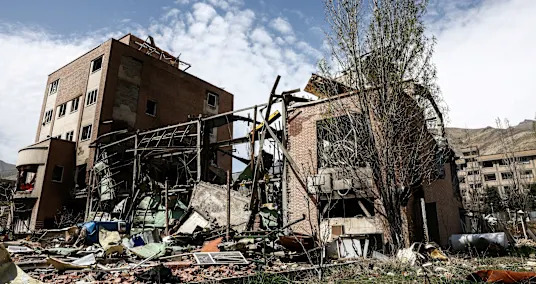
In Tehran, a city of nine million people, schools are closed, businesses are shuttered or struggling, and locals are living without a functioning air-raid warning system or public shelters. In many areas, the first sign of an incoming strike is the explosion itself.
There have been twice as many US and Israeli attacks on Iran compared to the number of Iranian retaliatory strikes since the war began — and the numbers killed in Iran have been orders of magnitude greater than in the neighboring Gulf states. A nationwide internet blackout, now entering its second month, has left civilians unable to access information about safety, shelter, and food and has meant some are unable to work. But while millions have fled Iran’s cities, many more are staying where they are. Some residents are hoping the US and Israeli bombs will cause the regime to collapse; others are left wondering if they are at risk if their neighbors are targeted.
For the many Iranians with ties to Dubai, there are other pressures, with Iranian nationals now barred from entering or transiting through the UAE. Residency permits, even for those with long-term Golden Visas, are reportedly being revoked without notice.

LATEST POSTS
- 1
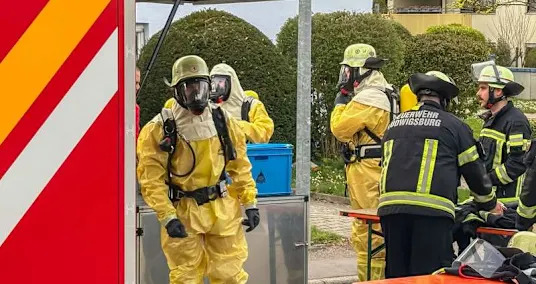
 Vial marked 'Polonium 210' sparks scare during German Easter egg hunt
 - 2Smuggler who called migrants 'chickens' jailed
- 3How to watch 'Tell Me Lies' Season 3: Episode release times, streaming info and more
- 4South Korea launches Earth-observation satellite on homegrown Nuri rocket
- 59 African migrants died in freezing temperatures near Morocco-Algeria border



- Brazil expands pesticide packaging reverse logistics
- Exploring ways to reduce the impact of space junk on Earth
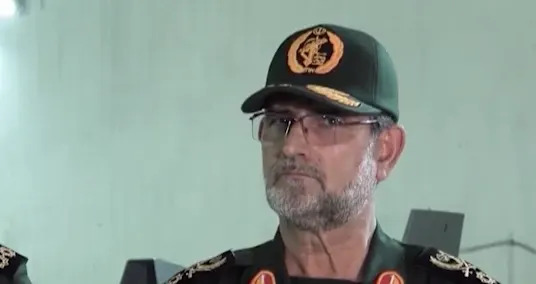
- Iranian naval commander Alireza Tangsiri killed in attack, says Israel
- Poland identifies two Ukrainian suspects in railway sabotage blast
- Craig the beer-ambassador elephant dies aged 54
- Former Israeli judge does not expect Netanyahu to be pardoned
- Research institutions tout the value of scholarship that crosses disciplines – but academia pushes interdisciplinary researchers out
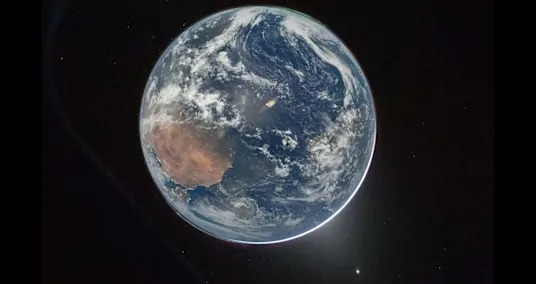
- Artemis 2 astronauts see Earth in the rear-view mirror | Space photo of the day for April 3, 2026
- The next frontier in space is closer than you think – welcome to the world of very low Earth orbit satellites