The Israeli military has said that Iran’s weapons production capabilities will be largely destroyed "within a few days."
Over the coming days, the military aims to "complete their attacks on all key components of the [Iranian] military industry," army spokesman Effie Defrin told journalists on Saturday evening.
"This means that we will have destroyed most military production capabilities," he added.
"It will take the regime a long time to rebuild them."
Since Israel and the US began to attack Iran four weeks ago, the Israeli Air Force has been carrying out heavy strikes on Iran's military industry.
The Israeli military estimates that it has already struck around 90% of the key facilities in the Iranian arms industry, according to the Times of Israel.
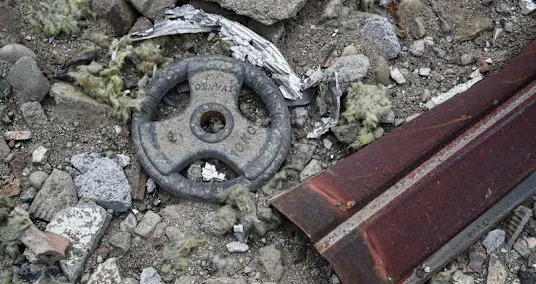
Israeli fighter jets also bombed military production facilities in Iran overnight, including the headquarters of the Marine Industries Organization which is responsible for the development and construction of warships and submarines.
LATEST POSTS
- 1
 America's Confided in Fridge in 2024
 - 2Katz to Hezbollah chief Qassem: You won't live to see Israel’s full response to Passover attacks
- 3I visited the largest collection of public telescopes in the US in Oregon's high desert, and the dark skies blew me away
- 4The Beginning Of The End For Fossil Fuels Can Start In Colombia
- 5‘Trip of suffering’: Gaza evacuee details 24-hour journey to South Africa





- UN experts urge investigation into Israel’s killing of Lebanese journalists
- 'War is not over': Detailed diagrams of prisons found in cells of Oct. 7 terrorists
- Full SNAP benefits must be paid ‘promptly,’ USDA tells states as government reopens
- From Exemplary to Current: Famous Rings Available
- No red, no long shorts: The fashion rules Joe Burrows lives by
- Figure out how to Amplify Your Open Record Reward
- IDF continues counterterrorism operations in Gaza Strip, including destroying terror tunnels
- Excursion to Different Universes: the Top Sci-fi Motion pictures Ever
- Deadly heat worldwide prompts $300 million for climate health research at COP30