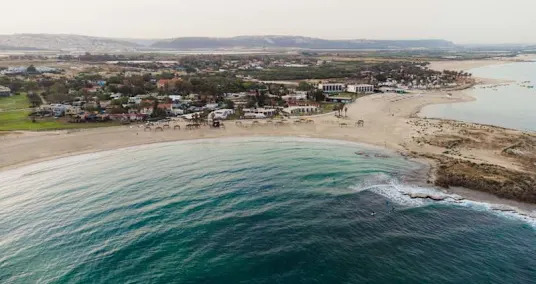
The discovery was made in an ancient shipwreck in the Dor Lagoon near the Carmel Coast, where archaeologists recovered nine pieces of unprocessed iron known as “blooms.”
Researchers from the University of Haifa said Wednesday that an underwater excavation off Israel’s northern Mediterranean coast uncovered what they described as the earliest known cargo of raw iron transported by ship, dating back around 2,600 years, Xinhua reported.
The discovery was made in an ancient shipwreck in the Dor Lagoon near the Carmel Coast, where archaeologists recovered nine pieces of unprocessed iron known as “blooms.” According to the university, the find provides direct evidence of how iron was transported in its earliest commercial stages.
The material was preserved in its original form, having solidified directly in a smelting furnace without undergoing forging or further refinement. Researchers said this distinguishes the cargo from later iron artifacts that typically show signs of shaping or tool-making.
Unlike copper and bronze, which could be melted into liquid form in ancient production processes, iron was heated with charcoal to produce a solid, porous mass. That mass was generally hammered to remove impurities and create denser material suitable for tools and implements.
The recovered blooms showed no indication of that secondary processing stage, suggesting they were transported immediately after production.

Earliest iron shipment discovered in ancient Mediterranean wreck
To determine the age and condition of the cargo, researchers conducted microscopic and chemical analyses.
Radiocarbon dating was also carried out on charred wood embedded in one of the pieces, helping confirm the timeline of the shipment. The findings were published in the journal Heritage Science.
Researchers said the cargo indicates that iron was being moved in raw form from production sites to other locations for further processing, pointing to a level of specialization in ancient manufacturing and trade networks in the Mediterranean.
The University of Haifa said the discovery provides new insight into early iron production and distribution practices in the region.
LATEST POSTS
- 1
 Merck sees over $5 billion opportunity in Cidara's experimental flu drug
 - 2Misinterpretations and Mistakes Portrayed by Hollywood in the General set of laws
- 3Behind every perfect holiday memory is a mom on the brink
- 4The Main 20 Gaming Control center Ever
- 5CPA Canada appoints eight directors as new governance model takes effect




- IDF Home Front Command extends siren warning times for Hezbollah rockets in North
- Pick Your Favored kind of sandwich
- Mummified cheetahs found in Saudi caves shed light on lost populations
- Cocaine, caffeine, painkillers consumed by sharks in Bahamas, study finds
- RFK Jr. releases new dietary guidelines with emphasis on protein, full-fat dairy
- Blood pressure drug recalled for possible cross-contamination
- The best movies to watch this holiday season: Stream 'A Christmas Story Christmas,' revisit 'The Night Before' and discover 'The Baltimorons'
- Make your choice for the PS5 game that you love playing with companions!
- Poll: Most are satisfied with their health insurance, but a quarter report denials or delays