MOSCOW (Reuters) -A Russian Soyuz MS-28 spacecraft with two Russian cosmonauts and one NASA astronaut on board successfully docked with the International Space Station on Thursday, Russian space agency Roscosmos said.
But the agency later reported that the launch pad at the Baikonur Cosmodrome in Kazakhstan had sustained damage from the launch. It said the damage would be quickly repaired.
The Soyuz 2.1a rocket lifted off from the Baikonur Cosmodrome at 12:28 p.m. Moscow time (0928 GMT).
Late on Thursday, Russian news agencies quoted Roscosmos as saying the launch had taken place without incident, but damage was observed after an inspection of the launch area.
"Damage to a number of elements of the launch pad was detected. An assessment of the state of the launch complex is being conducted now," the agencies quoted Roscosmos as saying.
"All the necessary reserve elements are there to restore it and the damage will be eliminated very soon."
It said the crew was on board the station and in good health.
(Reporting by Anastasia Lyrchikova; Writing by Marina Bobrova; Editing by Andrew Osborn, Ron Popeski and Bill Berkrot)
LATEST POSTS
- 1
 Barry Manilow reveals lung cancer diagnosis and plans to undergo surgery: 'It's pure luck' it was 'found so early'
 - 2Investigating the World's Chief Authentic Urban communities to Visit
- 3Fire Allegedly Triggered by Wedding Cake Sparkler Causes Venue to Go Up in Flames, Leaving Groom with Second-Degree Burns
- 4The Most Compelling Innovation Advancements Somewhat recently
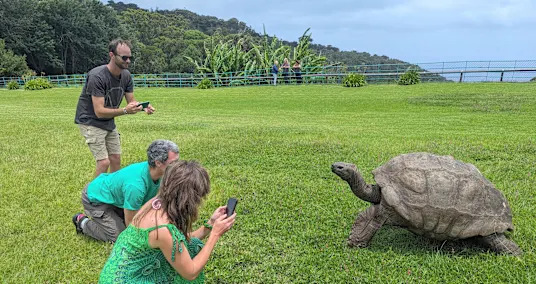
- 5World's oldest known tortoise still very much alive despite rumor to the contrary



- Takeaways from AP’s report on potential impacts of Alaska’s proposed Ambler Access Road
- Eleven arrested over mass shooting in South Africa tavern
- European nations criticise Israel’s death penalty plans
- Instructions to Amplify Certifiable Experience While Chasing after an Internet Advertising Degree
- Roche breast cancer pill cuts risk of disease recurrence by 30% in trial
- 7 Methods for further developing Rest Quality
- The Most Enrapturing Authentic Milestones to Visit
- Images of Bangladeshi motorcyclists sleeping at petrol pumps are AI-generated
- Watch SpaceX launch NASA's Pandora exoplanet-studying satellite on Jan. 11